Blog - April 25, 2024
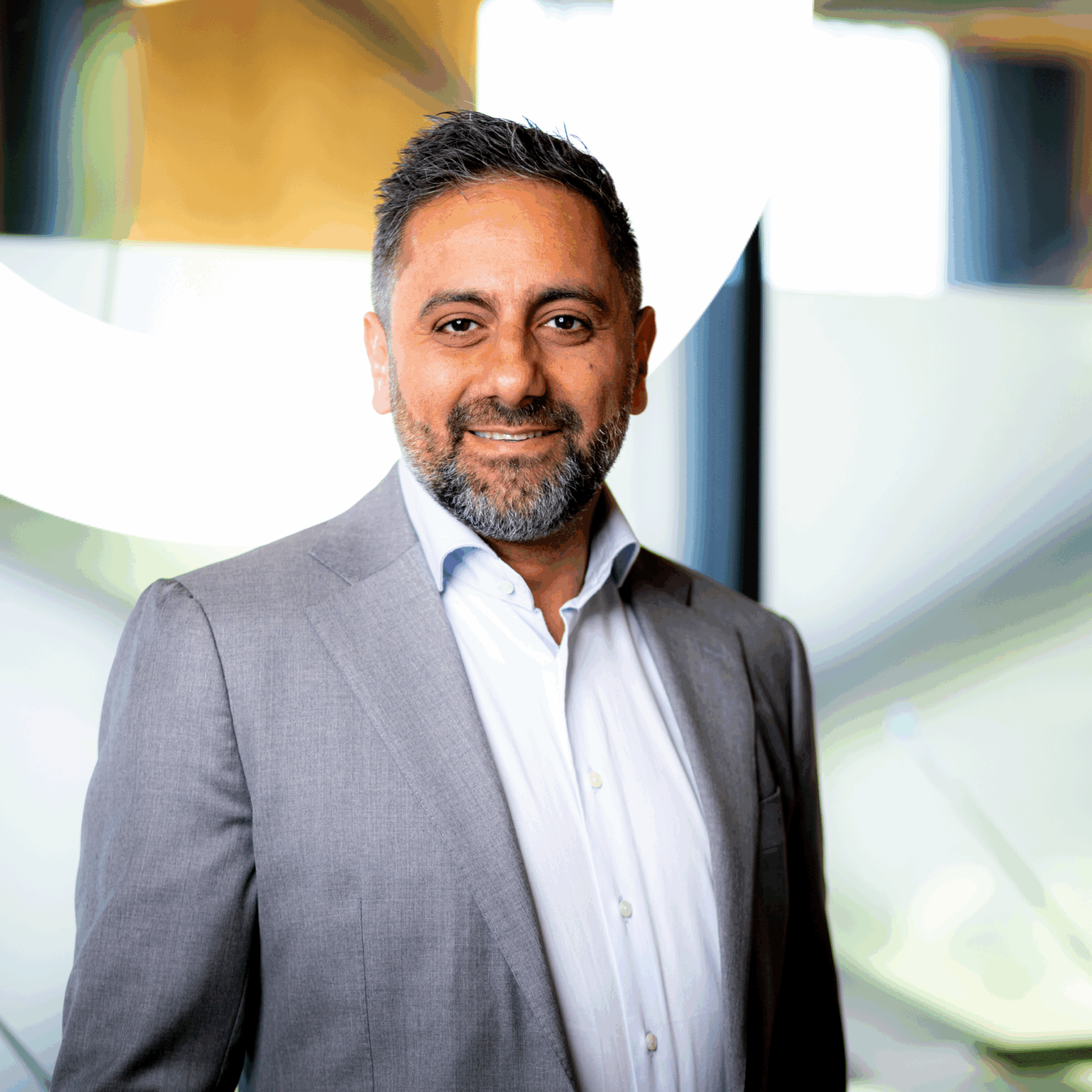
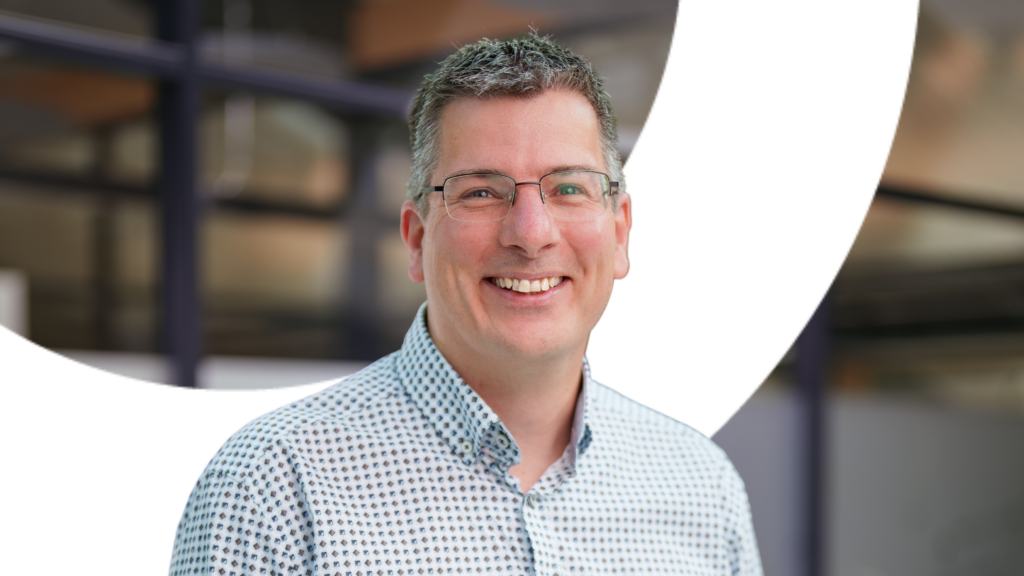
No industry is immune to digital transformation. As companies rush to take advantage of new opportunities, the challenge is to understand how many resources to devote to digital projects. This creates an ideal scenario for a new level of managed services, said Hamid Abedini, managing director, Netherlands, and Evert Smit, healthcare specialist, Avit.
Why is this a good time for IT managed services?
Hamid Abedini: The reality is that technology is evolving so quickly that it can be a huge challenge for any business to keep up. At the same time, companies are facing more regulations around increasing cyber threats. For most companies, IT is not their core competency. They simply don't have the resources to keep up with every new upgrade, innovation or new feature. They want to focus on their specialty. Moreover, there is growing maturity among companies in managing a managed service.
What do you mean by that?
Abedini: First of all, "managed service" is such a broad term. Customers may want something very specific and short-term, or they may want a more strategic, long-term commitment. I think the difference is that customers are much clearer about what they want from the service: the SLAs, the level of commitment, how little or much is transferred.
Where do you see growth opportunities?
Abedini: Across the board. I would say fast-moving sectors are the most obvious opportunity, for example, retail. Sectors that can't afford downtime or are late in adopting crucial new technologies. This is where the value of a managed service comes in.
But we also see industries that may have previously been reluctant to move to a managed service because they wanted to keep control in-house. For example, healthcare is changing incredibly quickly; there are huge opportunities for digital transformation - from a medical, operational or patient perspective. And healthcare providers typically don't have large IT teams in-house.
How do you convince healthcare providers to embrace managed services ?
Evert Smit: As Abedini said, through trust. We've been working with a client for several years, Tergooi MC, a hospital in Hilversum, 30 kilometers south of Amsterdam. We were originally brought in in 2017 to design and implement a software-defined architecture, one of the first of its kind in the Netherlands. This project showed how Tergooi MC, ourselves and the leading technology, Cisco, could work together. It was crucial in building trust.
So when Tergooi MC started plans to merge two hospitals and create one new, modern hospital, they wanted us there to help shape the plans.
And where does that project stand now?
Smit: The new hospital is now open. It was built to the latest health and sustainability standards. The rooms are bright, there are views of the surrounding forest and more than 1,000 square meters of green roofs. The hospital is supported by state-of-the-art and secure network infrastructure, including software-defined access designed and implemented by us.
We now provide a fully managed service, with proactive support, continuous maintenance and management of the entire network and telephony system. Tergooi MC handed over the keys to us.
What value have you delivered and what has been the impact for Tergooi MC?
Smit: Trust. As mentioned earlier, there is so much technology in use within any organization that it can be incredibly difficult to monitor what is going on. Technology in hospitals is literally a matter of life and death. We can monitor the entire network of Tergooi MC through our Network Operations Center. We can look at security, connectivity and application performance. We have support teams in the Netherlands, Portugal and Asia if an incident requires 24/7 coverage.
The result, in my opinion, is a more agile work environment at Tergooi MC. It is now much faster to implement new technologies, such as location-based services or equipment monitoring, and there is the assurance that everything works.
Our attitude, should something ever go wrong, is "fix first, argue later. I believe that is essential to a healthy working relationship.
What do you mean by "handing over the keys"?
Abedini: It is a reflection of the trust the customer has in us. It doesn't mean the client has no interest in IT; it's a realization that even the most critical systems are best managed by a managed service provider. With multiple technologies in play, the more visibility and control you have, the better able you are to deliver a great service.
The value of the Cisco Gold Partner program
Abedini: We have been working with Cisco since the beginning. Cisco has always understood the importance of its partner network, and it takes real dedication to achieve Gold status. We see this as a worthwhile investment. If it were easy, it wouldn't be so valuable! Moreover, the Cisco portfolio is so strong. It is already strong today, but Cisco's investments in research and development, and the adoption of new technologies, give us confidence that it will remain strong in the future.